
Why Ear Training Matters Most for Young Musicians
At our music school, we believe that music starts with the ear. That’s why, in our youngest classes, we place a strong emphasis on ear training—because ages 4–7 are the prime years for developing musical ears.
Why Ages 4–7 Are So Important
Research shows that children’s listening skills develop most rapidly between ages 4 and 7. This is the window when they are most receptive to recognising pitch, melody, and harmony—skills that will support everything they do musically later in life.
Just as young children can easily absorb a second language, they can also develop a "musical language" during this stage.
That’s why we structure our early courses to include lots of ear-based activities:
- Junior Music Course (JMC, ages 4–5)
- Junior Play For Keeps (JPFK, ages 6–7)
Both of these are piano-based courses, designed to use the keyboard as the best tool for helping children hear and understand music in a clear and structured way. These programs are filled with singing, listening, and playful exercises that make music feel natural and fun.
How We Train the Ears
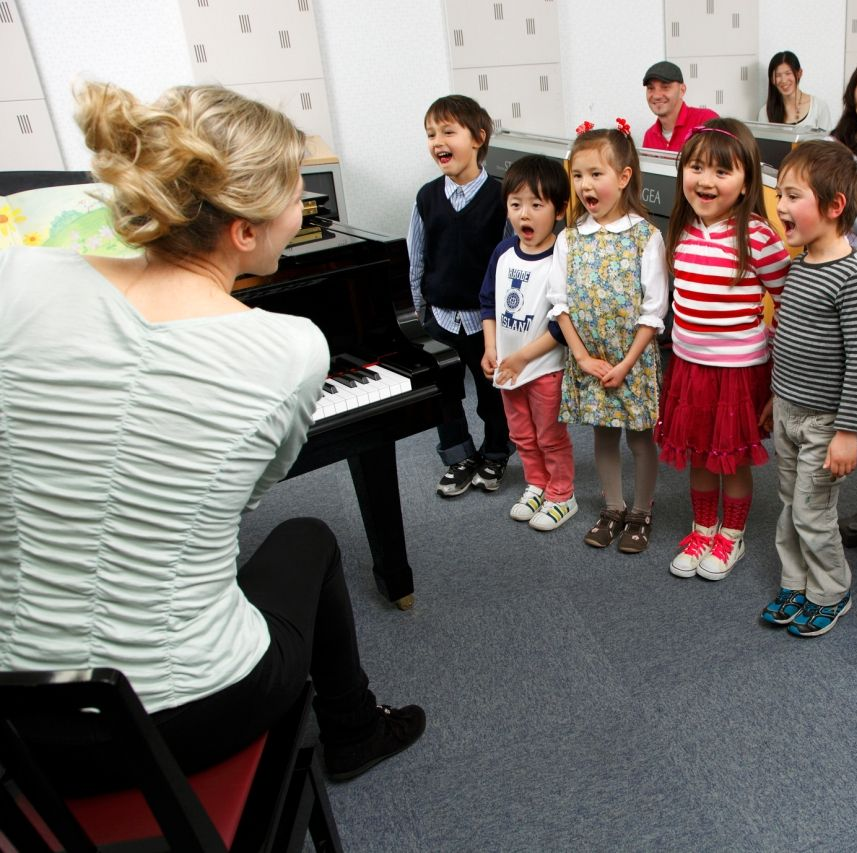
In both the JMC and JPFK, children sing with solfege (do, re, mi, etc.) rather than alphabet letters.
Solfege (a fixed do system where do = C) gives them a way to hear and feel the relationships between notes. For example, “do” is always the home note, and “sol” always feels like it wants to come back to “do.” This builds a strong sense of pitch and musical direction—something that’s much harder to achieve if children only think of notes as letters.
Later on, as students progress, we introduce the alphabet system (A, B, C, etc.) so they can communicate easily with other musicians. But in these early years, solfege is the most powerful tool for helping children internalise music.
We also play
ear harmony games, where children hear and sing simple chords, gradually learning to recognise the way different harmonies sound and feel. This playful exposure sets the foundation for strong listening skills, whether they go on to play piano, guitar, drums, or sing.
Ear Training Beyond Age 8
Of course, ear training doesn’t stop once children reach 8 years old—it simply looks a little different.
Some children continue on from our early courses, while others might just be starting their musical journey at this age. Either way, we still build listening skills into every class.
For older beginners, ear training might include listening challenges, call-and-response games, or playing back short melodies on their instrument.
It’s less likely you’ll find a group of teenagers happily singing “do-re-mi” together, so our approach shifts to suit their age and interests. The goal remains the same: to keep developing strong listening skills that support everything they play.
The Lasting Value of Early Ear Training
For those who start early, the benefits last a lifetime. Children who develop strong ears between ages 4 and 7 will find it easier to:
- Learn new pieces more quickly
- Play and sing in tune
- Understand harmony naturally
- Communicate musically with others
That’s why our JMC and JPFK keyboard courses place such an emphasis on solfege singing, ear games, and listening activities. By the time students are ready for more advanced lessons, they already have the most important musical tool of all: a well-trained ear.